Pennies That Are Worth Real Money
Most pennies in a coffee can are worth exactly one cent. But every so often somebody finds a wheat cent with the wrong date, a doubled letter under a loupe, or a coin that's just a little too heavy for a 1943 steel penny — and it turns out to be worth more than a house. This list pulls together the 100 highest confirmed sale prices for United States one-cent pieces, from colonial-era experiments through Lincoln wheat cent errors.
Prices below reflect actual auction and dealer sale records, not theoretical book values. Grade, color, and the number of surviving examples all move the needle, sometimes by six figures for a single point of difference. Use the filters to dig into a specific series, error type, or grade, and click any coin for a closer look.
Top 100 Pennies Worth Money
Ranked by confirmed sale price. Filter by series, variety type, or color/grade, or search a date directly.
I Think I Have One — Now What?
Found a suspicious date or a coin that just feels off? Don't get excited and start scrubbing it with a Q-tip. Here's the order of operations that actual collectors follow.
Stop handling it and never clean it. Hold copper coins by the edges only. Cleaning, polishing, or even a vinegar soak strips original surface and can turn a five-figure coin into a fifty-dollar coin instantly.
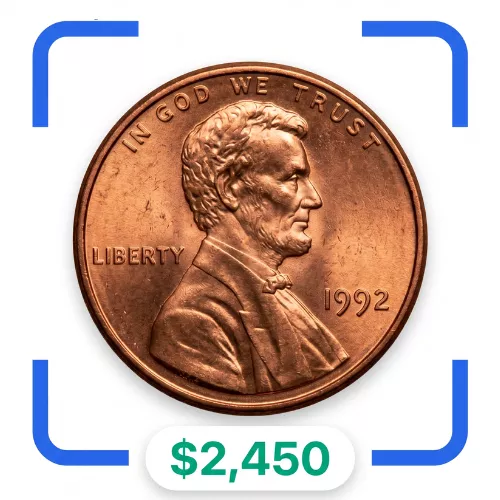
Verify before you pay anyone to grade it. Snap a clear photo of both sides and run it through a free online coin identifier and value checker first. It'll flag obvious reproductions and give you a realistic ballpark before you spend a dime on postage or fees.
Submit to PCGS or NGC for grading. Anything that clears the free check and looks like a genuine key date, error, or doubled die deserves professional encapsulation. A graded holder is what serious buyers and auction houses actually want to see.
Pick the right selling venue for the value tier. Common date wheat cents in nice grades do fine on eBay. Four and five-figure coins usually do better through GreatCollections or Heritage Auctions. Anything approaching six figures belongs at Stack's Bowers or a comparable major house.
Watch for counterfeits. The 1943 bronze cent, 1909-S VDB, 1914-D, and 1955 doubled die are the most faked pennies in the hobby — altered mint marks, added VDB initials, and re-dated steel cents are all common tricks. A professional grading service is the best defense.
Understanding Penny Values
Large Cents: The Original Pennies (1793–1857)
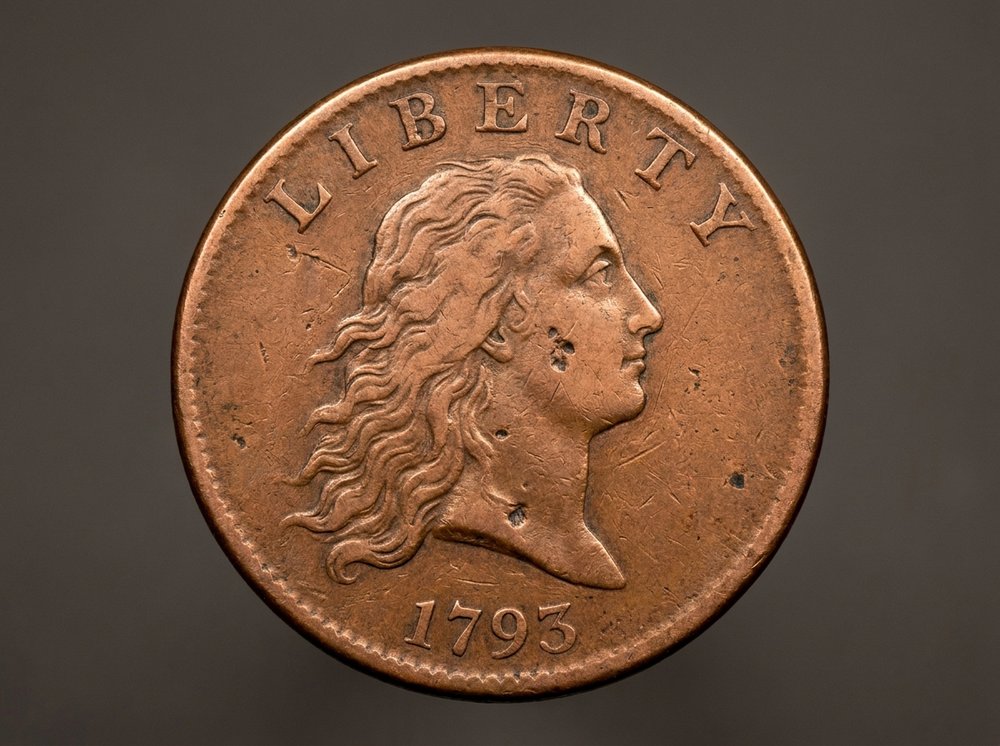
The first US pennies were nearly the size of a modern half dollar and struck in pure copper. Because they're 200-plus years old, survival rates are low, and even "common" large cent dates in decent grade sell for hundreds of dollars. Die variety numbers — Sheldon, Newcomb, and Cohen — matter enormously here, since a single date can carry a dozen distinct varieties worth wildly different amounts. For a deeper walkthrough of what pushes prices up across every era, see this complete guide to pennies worth money.
The 1943 Bronze and 1944 Steel Errors
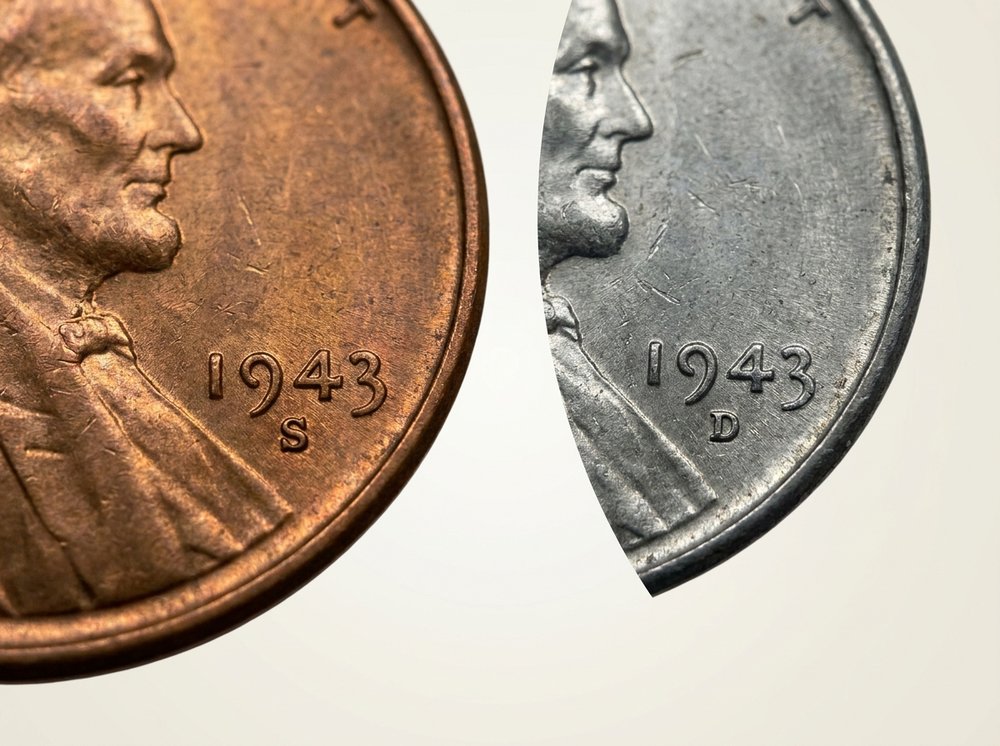
In 1943 the Mint switched to zinc-coated steel to save copper for the war effort. A handful of leftover bronze planchets got struck anyway, creating the most famous error cents in American numismatics. The reverse happened in 1944, when a few leftover steel blanks slipped through the presses. A simple magnet test tells you a lot: steel cents stick, bronze ones don't.
Indian Head Cents and the Key Date 1877
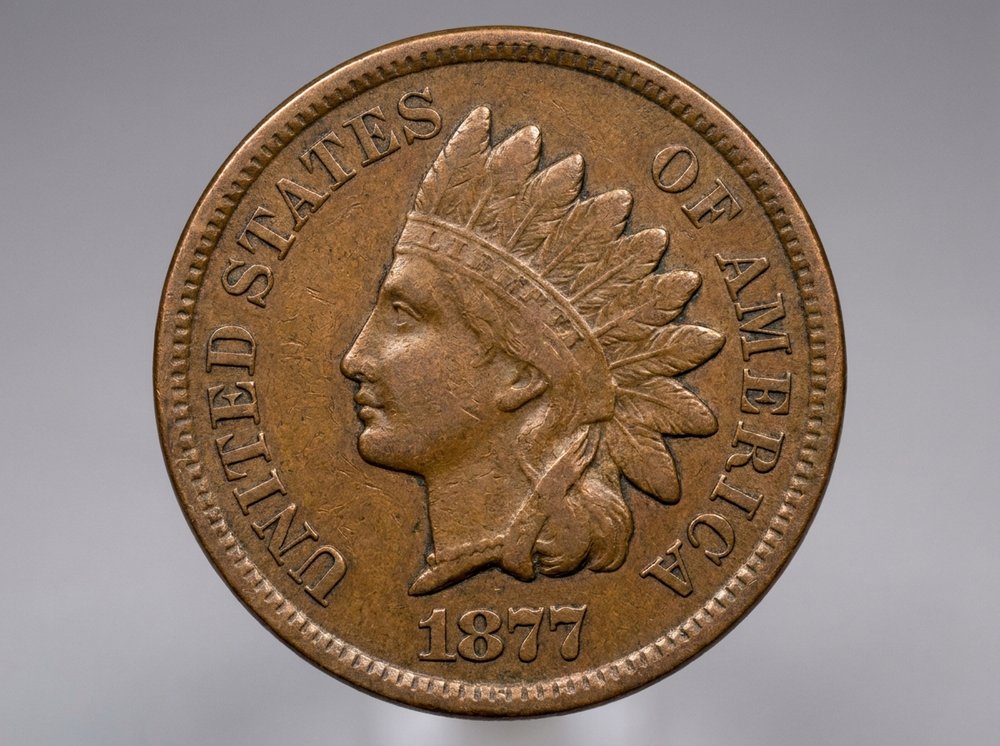
Struck from 1859 to 1909, the Indian Head cent switched from copper-nickel to bronze in 1864. The 1877 is the undisputed key date of the series thanks to a mintage under 900,000, and low-mintage S-mint dates from the 1870s and 1890s carry strong premiums even in circulated grades.
Doubled Dies and Modern Errors
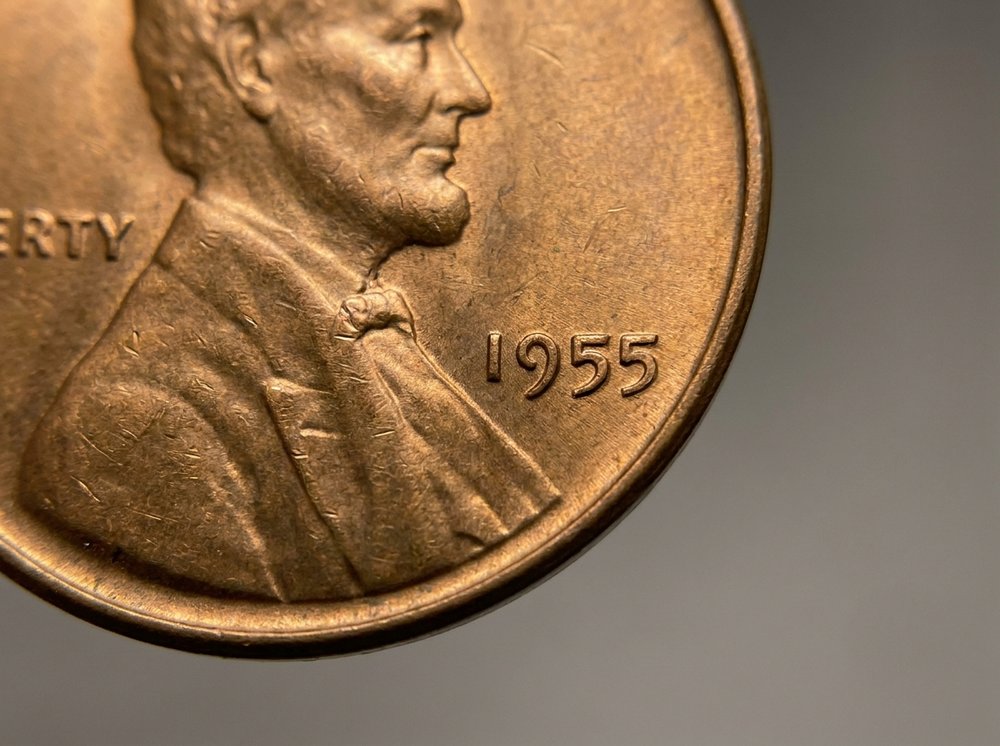
A doubled die happens when the die itself picks up doubled lettering during hubbing, not from a coin striking twice. The 1955, 1958, 1969-S, and 1917 doubled die obverse cents show dramatic doubling on the date and motto and are worth chasing in any circulated grade. Condition and color (Red, Red-Brown, or Brown) still matter just as much as the error itself.
Frequently Asked Questions
Start with the 1793 Chain cent, any 1943 bronze cent, the 1955 doubled die, and the 1909-S VDB. Beyond those headliners, early large cent dates from 1793–1814, wartime metal errors from 1943–1944, and any doubled-die variety are worth a second look.
Check the date, mint mark, and surface color under good light. Pre-1959 dates, unusual mint marks like S, D, or CC, bronze-colored 1943 cents, gray steel 1944 cents, and visible doubling on the lettering are all red flags worth investigating further with a loupe.
The true rarities have mostly been pulled into collections decades ago, but wheat cents from 1909–1958 and pre-1982 copper cents still occasionally surface in old jars, estate finds, and bank rolls. It happens more often than you'd think.
Rarity, condition, and story. A tiny original mintage, a small surviving population, a famous error, and pristine original mint color all compound to push a coin's price into serious territory. Provenance from a well-known collection adds even more.
Genuine 1943 bronze cents have sold for $372,000 to $840,000 depending on mint mark and grade. A normal 1943 steel cent, which is what nearly every 1943 penny actually is, sells for around a dollar or two in circulated condition.
Common wheat cents do fine through local dealers or online marketplaces. Genuinely rare or high-grade coins move through major auction houses like Heritage Auctions, Stack's Bowers, and GreatCollections, especially once they're professionally graded.
Grading uses a 70-point scale covering strike quality, luster, and surface preservation. For copper coins, color matters too: Red is most valuable, followed by Red-Brown, then Brown. PCGS and NGC are the two services collectors and dealers trust most.
No. Cleaning strips original surface and skin, and experienced buyers spot it instantly. A cleaned coin can lose 50–90% of its value compared to the same coin left alone, even if it "looks shinier" to an untrained eye.
About This Guide
I've been pulling rolls of pennies apart since I was twelve years old, and I've spent the last two decades building and selling collections focused on early large cents and key-date Lincoln wheat cents. This page started as a personal reference sheet before I decided other collectors might find it useful too.
Prices listed here are drawn from publicly reported auction results and dealer sale records spanning major numismatic auction houses over the past two decades, cross-checked against population reports from the major grading services. Figures represent confirmed sale prices for the specific coin and grade noted, not generic "book values."
This site is independently maintained and last reviewed on August 12, 2026. It is not affiliated with PCGS, NGC, or any auction house named on this page.